Seventeen years of research, executive education and high-level dialogue — bridging the Government of Nepal, the academy, and the international community.Explore Training & FellowshipsDiscover our work

PEACE is built,not declared.

An independent institution for peace, governance and sustainable development
Our conviction

Durable peace is built throughcapable institutions, not declaredthrough good intentions.

Every study we publish, every leader we train, and every dialogue we convene is measured against one standard: does it strengthen the capacity of institutions to serve the people they govern.
18
Consortia
17
Years
5
Lines of work
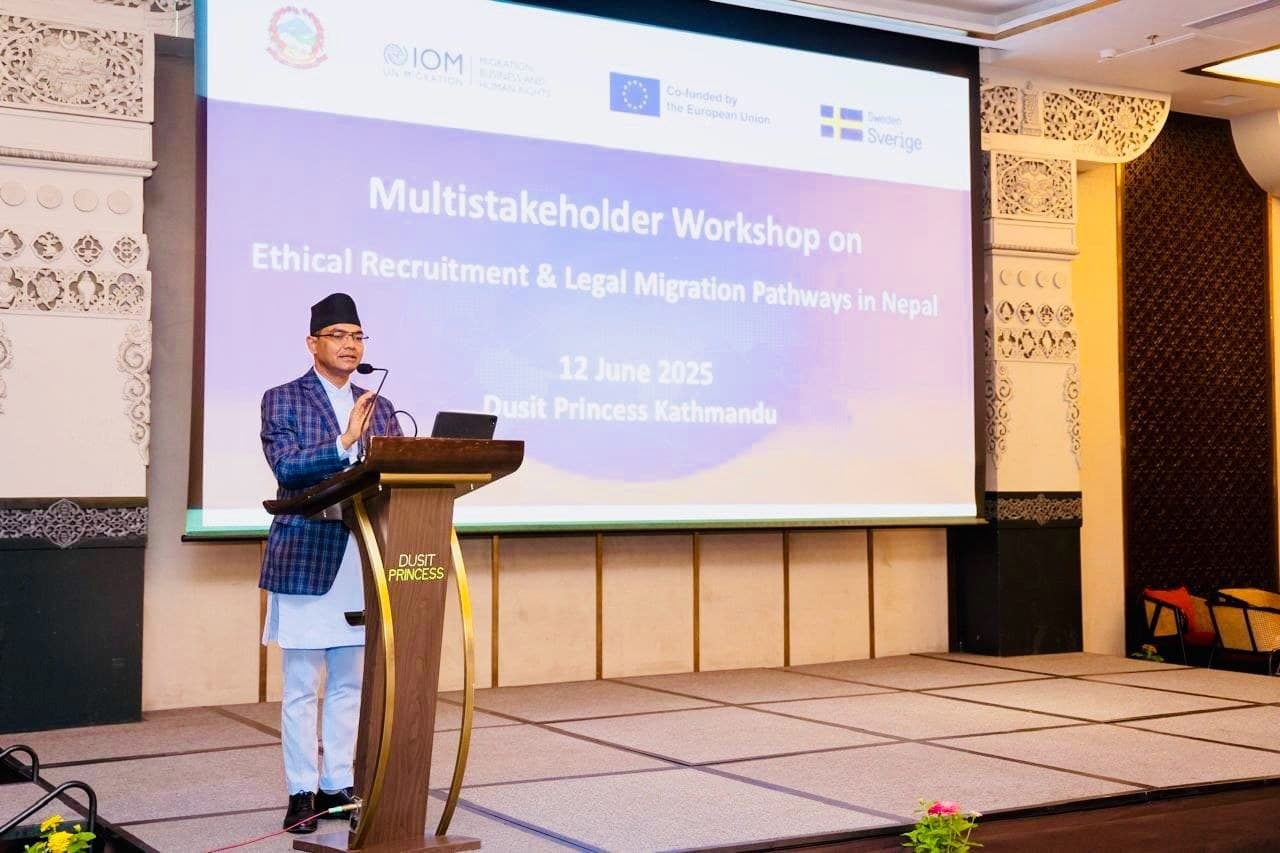
Dr. Krishna Hari Pushkar addressing a multistakeholder workshop in Kathmandu
National Security and Strategic Affairs  ·Governance and Public Institutions  ·Decentralization, Federalism and Public Service Delivery  ·Parliamentary Affairs, Judiciary and Rule of Law  ·Migration, Human Mobility and Diaspora Affairs  ·Sustainable Development and Infrastructure  ·Climate Change, Environment and Climate Finance  ·Human Rights and Fundamental Freedoms  ·Gender, Child, Youth and Ageing Affairs  ·Peacebuilding, Conflict Management and Social Harmony  ·Social Protection, Inclusion and Human Development  ·International Relations and Diplomatic Affairs  ·Macroeconomic Policy and Financial Sector  ·International Trade and Economic Cooperation  ·Private Sector Development, Investment and Corporate Affairs  ·Labour, Employment and Industrial Relations  ·Disaster Risk Reduction and Emergency Management  ·Medical and Public Health Affairs  ·
LeadershipFounder & Chair

A career of the state,carried into the institute.
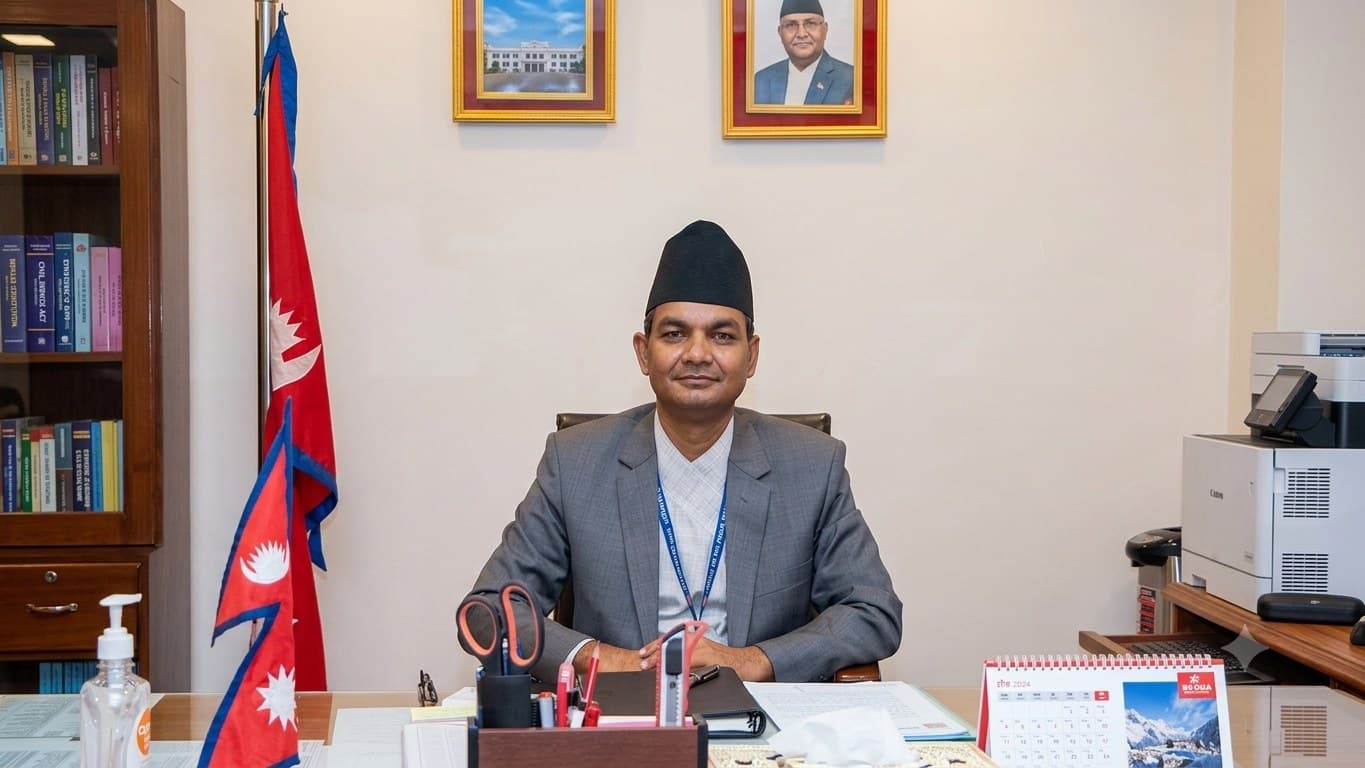
Dr. Krishna Hari Pushkar at his desk, flanked by the flags of Nepal
Dr. Krishna Hari Pushkar
Secretary, Government of Nepal (concluded 2026)

In 2026, following the conclusion of his tenure as Secretary of the Government of Nepal, Peace International was reconstituted as an active, internationally engaged platform — carrying decades of governmental experience directly into research, training, and the shaping of policy.

PhD in Conflict, Peace and Development Studies, Tribhuvan University. Research Master's in Peace and Conflict Studies, Otto von Guericke University Magdeburg (DAAD). Fulbright–Hubert H. Humphrey Fellow.

Multilateral
Alternate Governor to the World Bank, the Asian Development Bank and the AIIB · Governing Body member, ILO · Green Climate Fund · IMF Annual Meetings
Chaired & governed
Nepal Rastra Bank · Social Security Fund · Deposit & Credit Guarantee Fund · Nepal Electricity Authority · National Planning Commission
Honours
Sukirtimaya Rastra Dip · Suprabal Jansewa Shree, conferred by the President of Nepal

Five ways the workreaches practice.

Pursued in equal measure, at federal, provincial and local level.

01
Research and Policy Advice
Independent, evidence-based analysis that informs national and international policy.
02
Executive Education
Professional development for the leaders who govern, negotiate, and build.
03
Diplomatic and Policy Dialogue
Convening across government, sector, and border.
04
Advocacy and Institutional Reform
Carrying research into legislation, regulation, and practice.
05
Programmes, Projects and Initiatives
Activities and technical support at every level of government.
Our consortia

Eighteen domains.Eighteen chairs.

Each consortium is convened by a senior leader with direct experience in government, multilateral institutions or professional practice — aligned to the practice areas recognised across the UN system and the World Bank Group.

01
National Security and Strategic Affairs
02
Governance and Public Institutions
03
Decentralization, Federalism and Public Service Delivery
04
Parliamentary Affairs, Judiciary and Rule of Law
05
Migration, Human Mobility and Diaspora Affairs
06
Sustainable Development and Infrastructure
07
Climate Change, Environment and Climate Finance
08
Human Rights and Fundamental Freedoms
09
Gender, Child, Youth and Ageing Affairs
10
Peacebuilding, Conflict Management and Social Harmony
11
Social Protection, Inclusion and Human Development
12
International Relations and Diplomatic Affairs
13
Macroeconomic Policy and Financial Sector
14
International Trade and Economic Cooperation
15
Private Sector Development, Investment and Corporate Affairs
16
Labour, Employment and Industrial Relations
17
Disaster Risk Reduction and Emergency Management
18
Medical and Public Health Affairs
Training and fellowships

Executive education builtfor the realitiesof governing.

Executive Courses for Government Officials

Intensive, policy-focused programmes for federal, provincial and local officials.

Finance, Economics and Banking Leaders

Technical depth for professionals shaping Nepal's financial sector.

Diaspora and NRNA Programmes

For the Nepali diaspora, delivered in country and online.

Academic and Research Fellowships

For scholars and postgraduate researchers.

Civic and Public Courses

Open to the public, the business community and community leaders.

Custom and Commissioned

Designed for ministries, development partners and UN agencies.
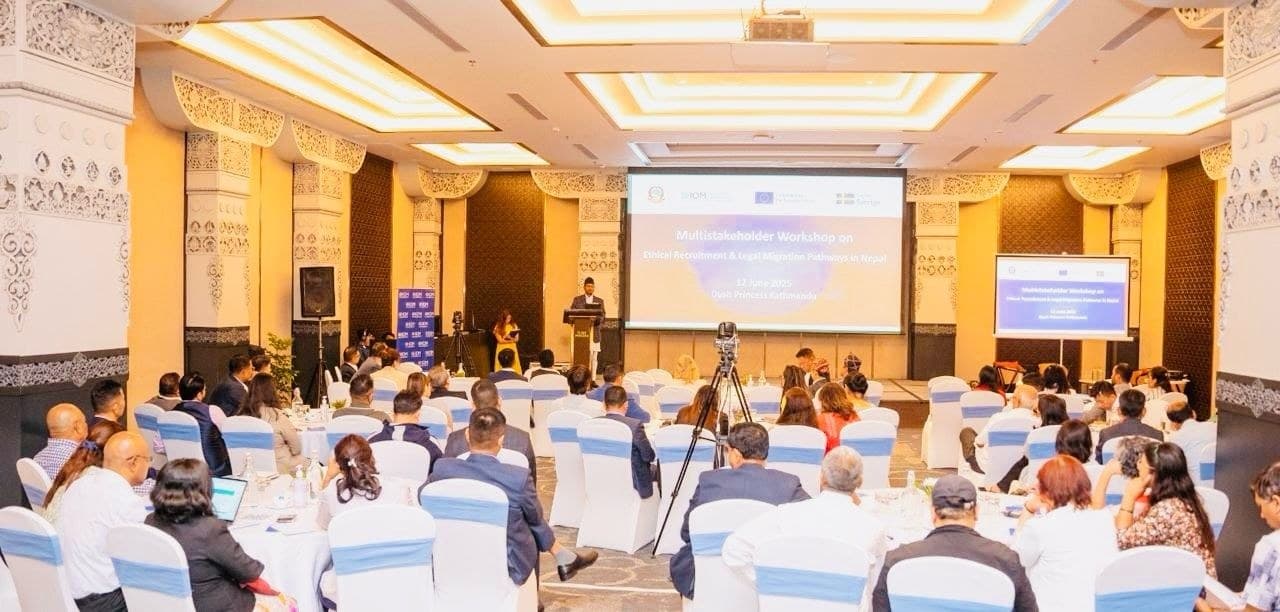
Participants seated at a workshop convened in Kathmandu
View upcoming coursesApply for a fellowshipCourse fees are published alongside each listing.
Register your interest

Interested in attending a course? Tell us, and we'll be in touch.

Your details go directly to our admissions team.
Research and publications

Written to informdecisions, not torecord analysis.

Four series, filterable by pillar, series, year or author.

Policy Briefs
Two to four pages of decision-ready recommendations for government, legislators and development partners.
Occasional Papers
Fifteen to thirty pages of sustained analysis for scholars, institutions and practitioners.
Strategic Bulletins
One to two pages responding to unfolding events.
Peace International Journal
Status to be confirmed.
A call to partnership

Capable institutions arebuilt, not inherited.

We work alongside government institutions, multilateral organisations, universities, research agencies, policy institutes, community groups and the private sector — to move research into policy, and policy into practice.